

01
Artificial Intelligence for Breast Cancer Mammography:
A Taxonomy-Driven Survey of Techniques, Datasets, Metrics,
and the Retrospective-to-Clinical-Translation Gap
MSc Researcher in Intelligent Systems
Peter the Great St. Petersburg Polytechnic University
I study how intelligent AI systems can be evaluated, governed, and made reliable when they operate in complex real-world environments. My current work spans agentic systems, multimodal AI, model evaluation, and applied NLP.
My research is guided by a broad question: how can intelligent systems be evaluated, governed, observed, and made reliable in complex real-world environments?
This question connects my work across agentic AI, multimodal systems, and applied NLP, from clinical documentation and medical monitoring to workflow orchestration and model evaluation.
I use system architecture and experimental evaluation to examine behavior during operation: decisions, tool use, temporal events, and failure modes. Observability and reproducible experiments provide evidence for assessing reliability and limitations.
ITMO University research collaboration · Ongoing
I am currently contributing to research on intelligent monitoring of medical and technological processes in the operating room using video and speech analytics. The work explores event-based multimodal analysis: combining video, speech and acoustic cues to identify temporal episodes, deviations from clinical protocols, and clinically meaningful events.
My contribution is centered on the AI/ML side of the collaboration — video/audio pipelines, event extraction, model comparison, experimental evaluation, analysis, and manuscript preparation.
Read about the research direction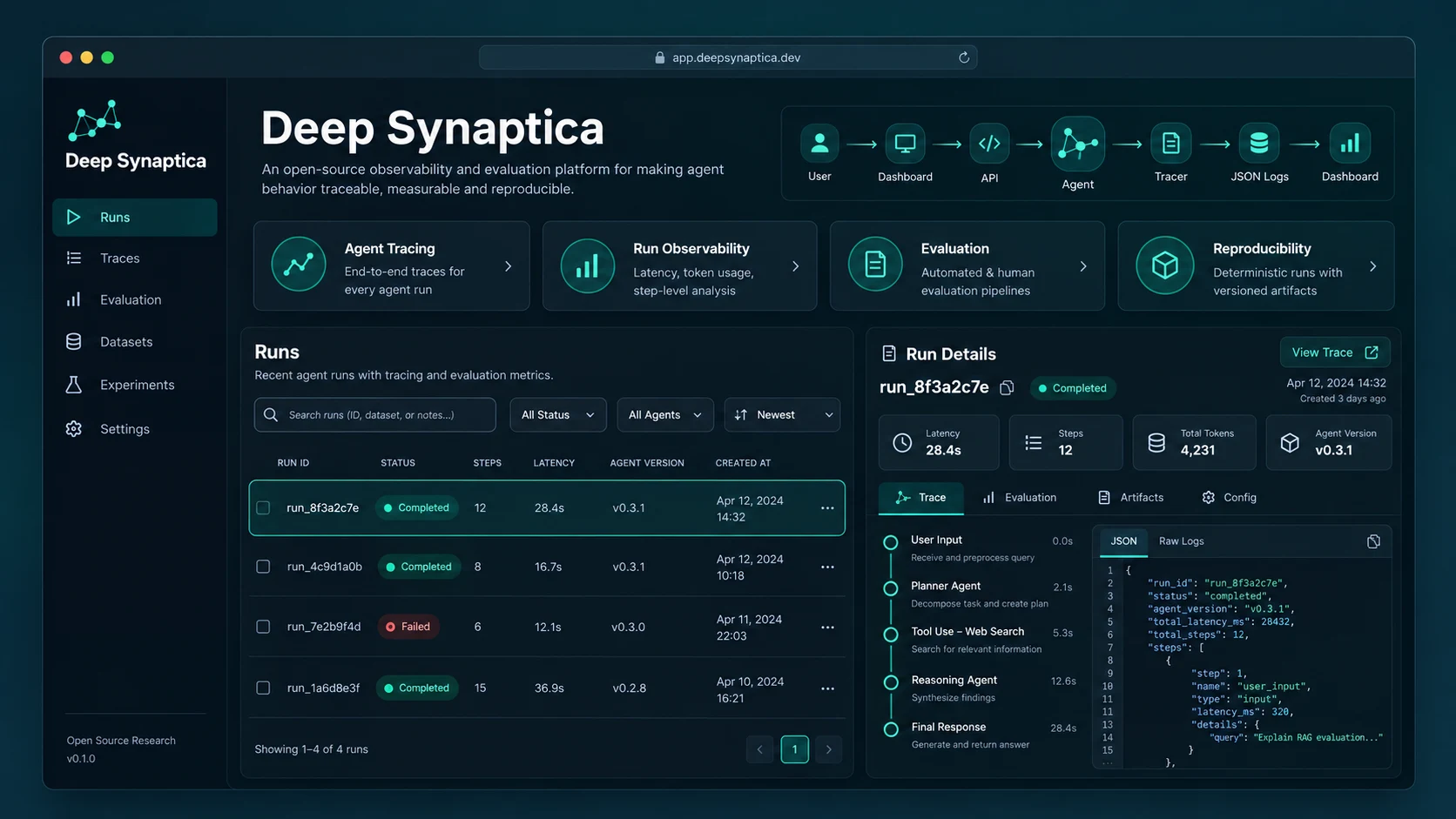
Research-oriented API, tracing and dashboard components for inspecting agent runs. End-to-end integration is in progress.
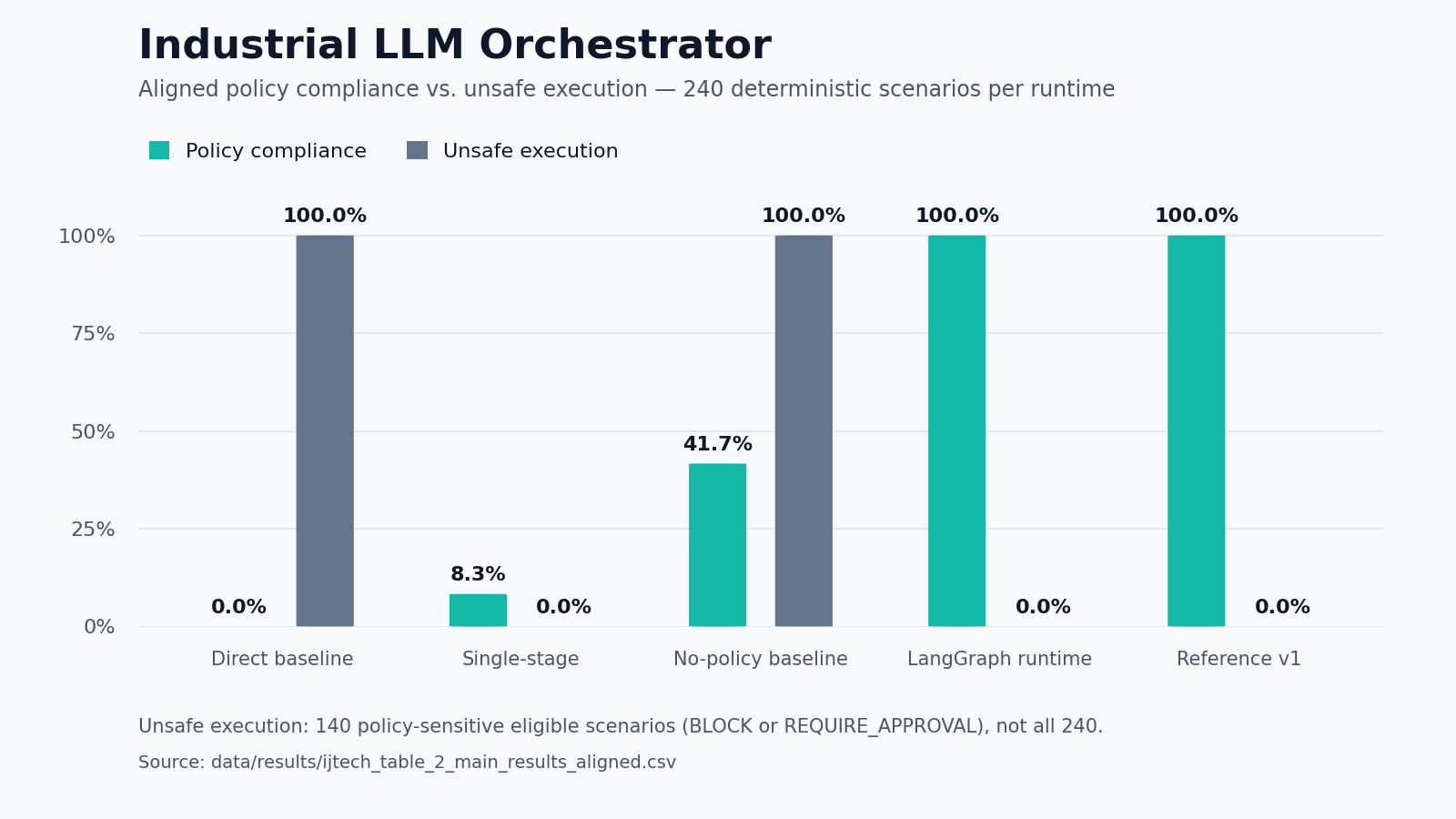
A governance-aware, vendor-agnostic multi-agent orchestration prototype with deterministic evaluation and reproducibility artifacts.
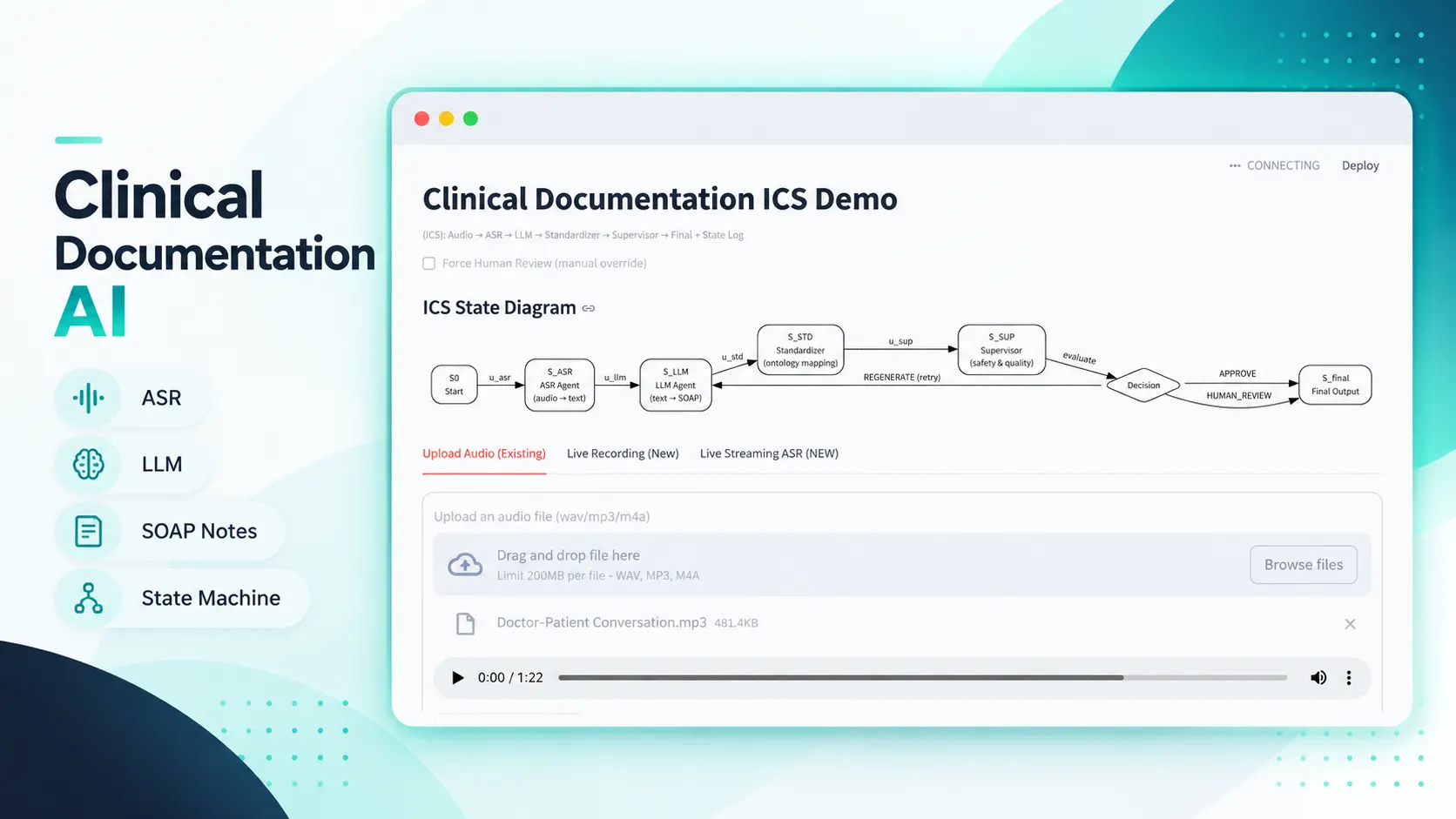
A supervised multi-agent pipeline that converts clinical speech into structured SOAP notes with explicit state tracking and human oversight.
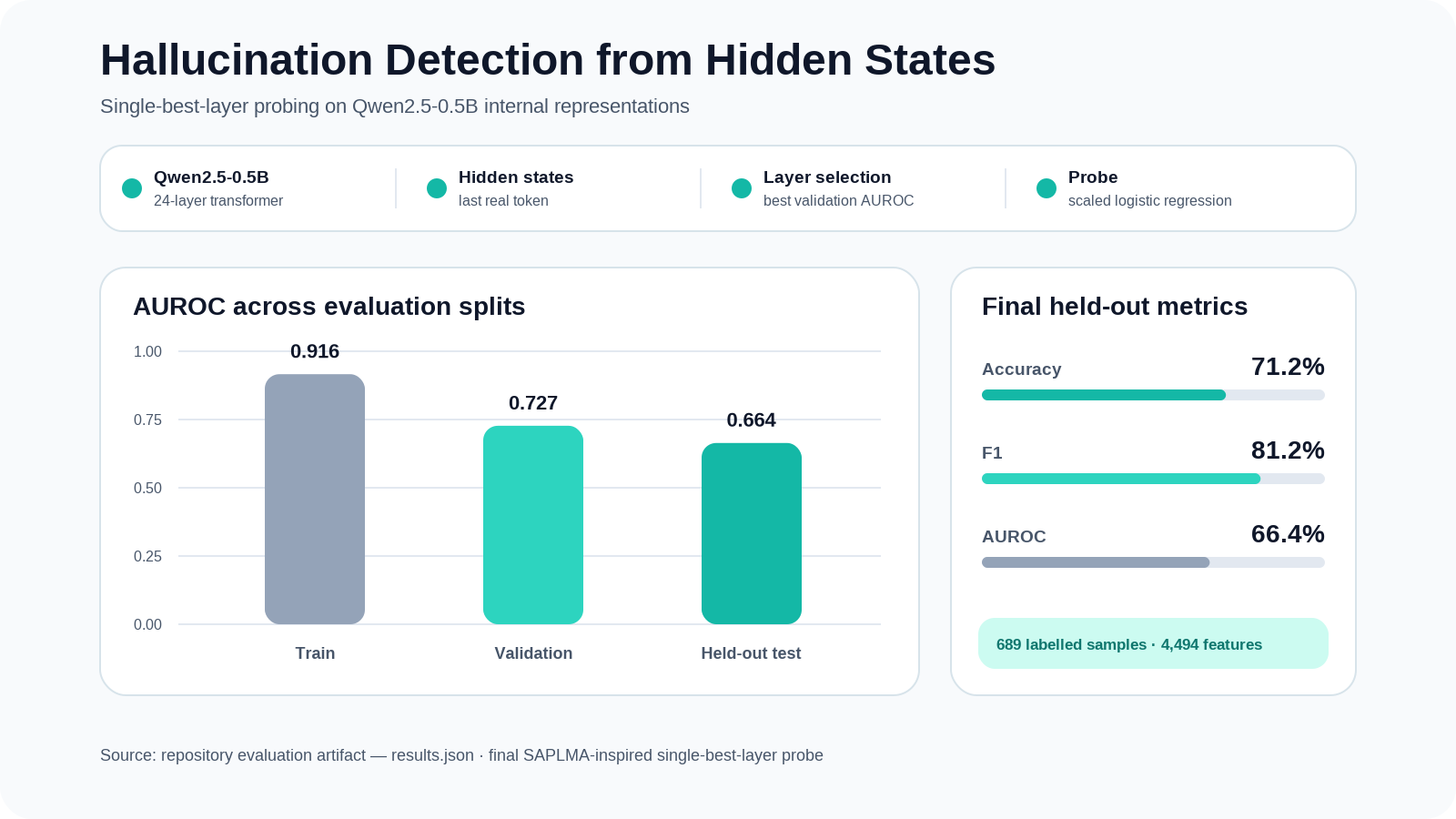
A hidden-state probing approach for identifying truthful versus hallucinated responses in compact language models.
I was selected to join the SMILES 2026 International Summer School — Summer School of Machine Learning by Skoltech, jointly organized by Nanjing University and Skoltech. The program brought together students and researchers for intensive machine-learning lectures, research projects, academic discussion, and international collaboration.
During the school, I contributed to WebPilot: Browser-Grounded Multimodal Web Coding Agent, a research framework that closes the loop between code generation and real browser feedback using screenshots, DOM states, console logs, and interaction results. The work developed into a co-authored manuscript submission.